

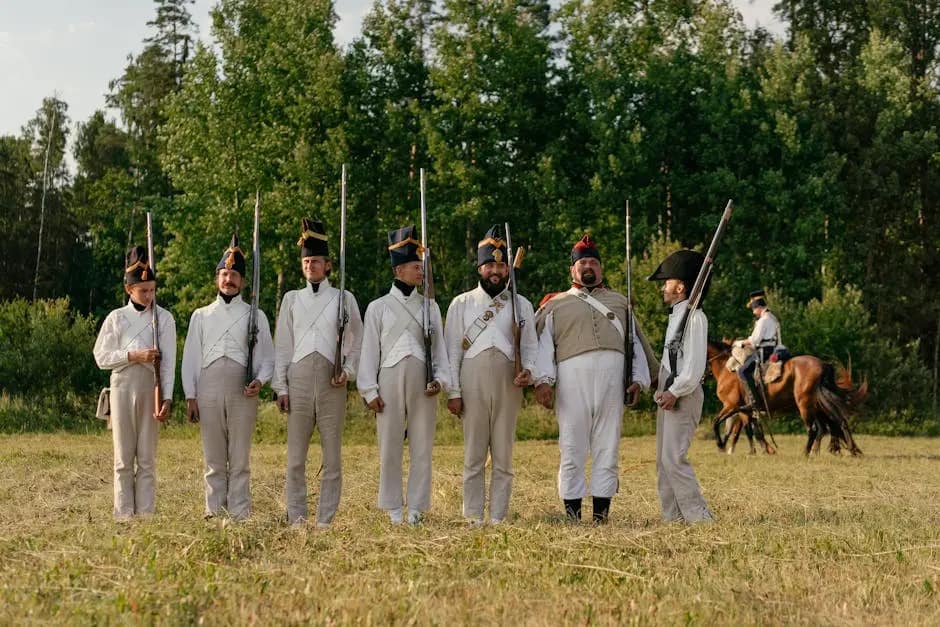
During World War II, Winston Churchill observed a profound truth: the weakness of the virtuous often reinforces the malice of the wicked. This notion not only sheds light on the complexity of human nature but also serves as a lesson about the dangers of passivity in times of moral crisis.

Churchill’s Historical Perspective
Winston Churchill, the Prime Minister of Britain during WWII, is renowned for his insightful and often provocative observations. One such observation was the interplay between virtue and wickedness, illustrating how inaction or weakness among the righteous could embolden evil. His era was defined by its challenges, with the Nazi regime exemplifying how malevolent forces can gain momentum in the absence of immediate deterrence. As Churchill saw it, there was an imperative to confront evil decisively; otherwise, the unchecked growth of malice would consume the virtues that uphold society. The historical events of the time mirrored this message, as initial hesitations to oppose aggressions allowed the Axis powers to consolidate their might unchecked. In this context, Churchill’s call to action was not merely rhetorical but a strategic necessity.
Churchill’s historical context serves as a testament to the importance of decisive leadership and collective resistance against tyranny. His warning, derived from observing the unfolding events of his time, emphasized the idea that the virtues of a society—its justice, courage, and compassion—must be actively defended. If left unguarded, these virtues could inadvertently bolster the resolve of those who seek to undermine them. Reflecting on WWII, Churchill’s leadership symbolizes the essential fight against apathy and the vital role each individual plays in upholding the moral fabric of society.
Understanding the Duality of Human Nature
Examining the dual nature of human beings reveals why the virtuous sometimes inadvertently empower the wicked. This dichotomy showcases the struggle between good and evil within society and within each individual, explaining how passivity in virtue can lead to unchecked malice. This internal battle highlights the importance of self-awareness and the constant need to align one’s daily actions with a higher moral purpose. It’s a reminder that virtues are not just abstract ideals but practical guides that require persistent effort and courage to maintain. In times of moral crisis, when the weak might crumble under pressure, those who uphold virtues must demonstrate resilience and inspire others. Thus, the duality within each person mirrors the broader societal conflict between constructive and destructive forces, stressing the essential nature of actively embodying and promoting virtuous behavior.
The concept of codependence can serve as a modern-day interpretation of how the weakness of virtuous acts can, unfortunately, aid malicious intents. When individuals are driven by a desire to help loved ones struggling with difficulties, they might unintentionally foster environments that enable negative behavior. This is akin to Codependency, a pattern where well-meaning actions create harmful dependencies. By understanding the psychological underpinnings of such dynamics, individuals can better navigate their intentions, ensuring they support recovery rather than succumbing to unintended consequences. Ultimately, recognizing the duality in ourselves and correcting course where necessary is an ongoing process, reflective of the eternal battle against the misuses of power and the need for self-regulation.
The Consequences of Passivity
During the early stages of WWII, the reluctance to confront aggression allowed wickedness to flourish. Such passivity serves as a cautionary tale about how the failure to act in the face of evil can have dire consequences, reinforcing the positions of those with malevolent intentions. The hesitation of Europe’s powers contributed to the unchecked spread of fascism, casting a long shadow over the world that would take immense efforts to overcome. It was not the strength of the aggressors alone that fueled their ascent, but the indecision and wishful thinking that disparaged a timely collective defense. History revealed that the costliest mistake was underestimating the efficacy of swift, righteous action. Passivity, disguised as neutrality, can transform into complicity, enabling the very malice it sought to avoid. Thus, the lessons learned emphasize the need for vigilance, confronting threats before they grow insurmountable.
In contemporary society, even though the battles may not always be as overtly destructive as war, the principle remains. Passivity in addressing social injustices, environmental challenges, and systemic inequalities can empower detrimental forces just the same. Each minor concession, when viewed as innocent or inconsequential, may, in reality, serve to bolster destructive agendas. Acknowledging this requires fostering an active, conscious effort to identify and address emerging issues. This vigilance helps prevent situations where minor oversights compound into larger societal failures. Avoidance and inaction have lasting effects—whether it’s on a global, communal, or personal level—illustrating Churchill’s dictum that virtues must be actively maintained to prevent their erosion by external malice.
Lessons for Modern Times
Today, the world still faces challenges that demand active virtue. Whether it is addressing global crises, everyday injustices, or personal battles, the lesson remains: the absence of virtuous action may allow wickedness to take over. It is a call to courage and resilience in the ongoing fight against wrongdoing. Each individual carries a responsibility to foster environments where truth and justice prevail, echoing the virtues that should define humanity’s collective path. Our interconnected world means decisions made in places of influence can ripple globally, affecting societies worldwide. Investing in informed, considerate leadership that espouses virtuous values is among the most potent deterrents against the malice that lies in wait.
In personal relationships, understanding and addressing the nuances of codependence can be pivotal. According to Codependency and addiction context, fostering environments that prioritize accountability and understanding can break cycles of enablement and harm. By redefining what love looks like—choosing support over rescue—we can prevent minor weaknesses or enabling behaviors from reinforcing detrimental dependencies. Thus, standing firm in our virtues is not only about guarding against overtly wicked forces but also about nurturing positive, healthy connections that encourage healing and growth.
By nipping potential threats in the bud through education, awareness, and actionable interventions, the modern lesson becomes clear. The charge is not to await grand gestures but to actively engage in efforts that bolster the common good, using each opportunity, however small, to challenge complacency. As Churchill’s era taught us about the necessity of active engagement against commonly shared threats, today calls for a similar, even more formidable resilience. Individuals and communities alike must rise to the occasion, brandishing virtues not merely as aspirations but as living practices to combat the shadows of malice that continue to threaten the light of our collective humanity.
A Lasting Message of Vigilance and Courage
Winston Churchill’s assertion serves as a timeless reminder of the importance of standing firmly against malicious forces. Today, just as during World War II, individuals and societies must remain vigilant and courageous, recognizing that even seemingly small acts of virtue can become powerful mechanisms in protecting and preserving goodness. In doing so, we uphold the promise of a just and kind world, countering the malice that seeks to overrun it.