

Couples counseling can be a valuable resource for partners looking to strengthen their relationship, resolve conflicts, or enhance communication skills. If you’re considering taking this step but are unsure of what to expect, this guide will provide you with a clear understanding of a typical couples counseling session.
What is the Purpose of Couples Counseling?
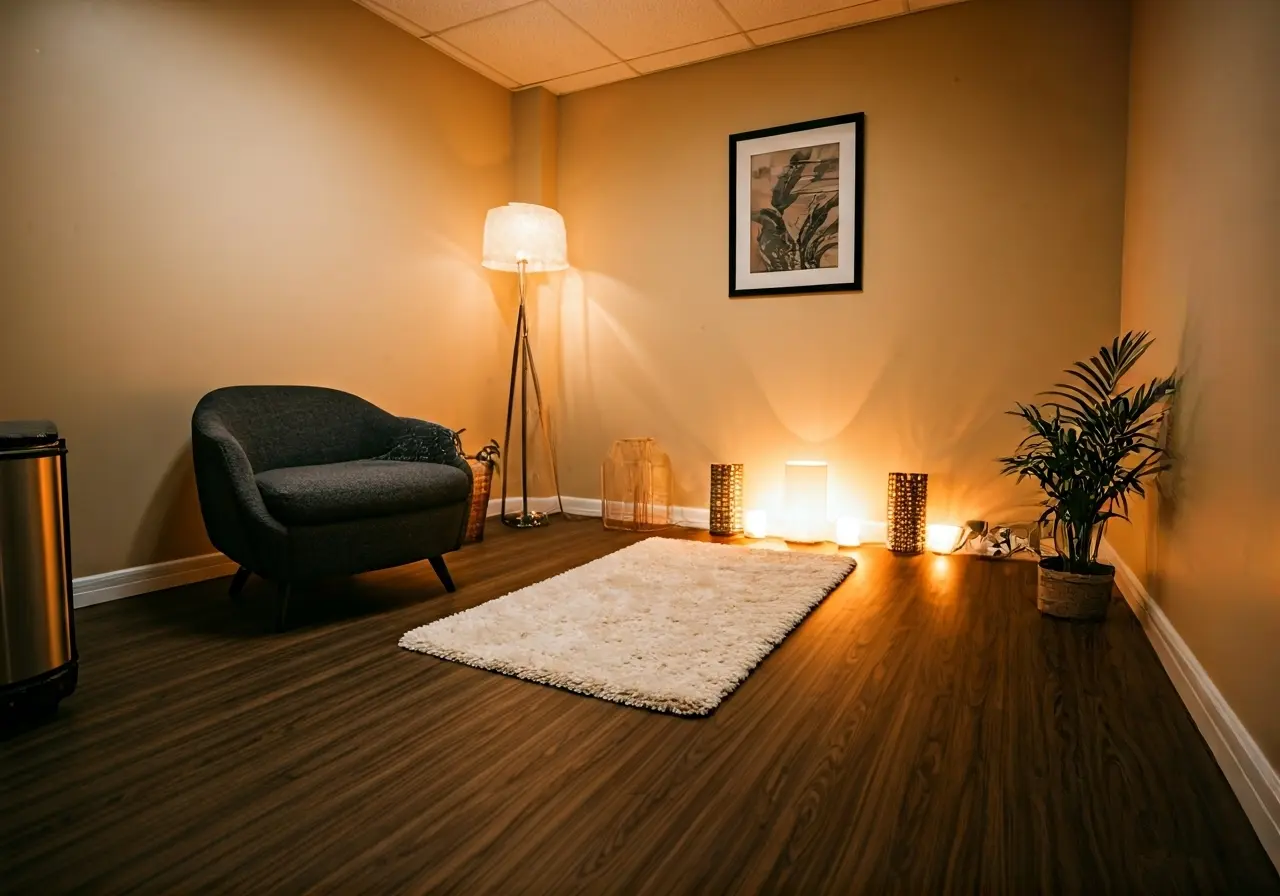
Couples counseling aims to help partners understand and resolve conflicts to improve their relationship. It provides a safe space to address issues related to communication, intimacy, trust, and more. By offering a neutral ground, counseling assists partners in exploring both individual and shared needs, which can significantly enhance mutual empathy and understanding.
In a counseling session, the therapist acts as a facilitator, helping couples to express their feelings openly and without judgment. This environment enables partners to delve deeper into underlying issues, such as unmet emotional needs or past grievances that may be impacting the present.
Moreover, couples counseling is not just for relationships in distress. Many couples use this as a tool for strengthening their bond. Whether you’re newlyweds or have been together for decades, counseling can offer fresh insights and strategies to maintain a joyful and lasting relationship.
Initial Assessment: Setting the Stage
In the first session, the counselor will conduct an initial assessment to understand the dynamics of your relationship. They may ask questions about your history, current issues, and goals for counseling. This session helps lay the groundwork and establish a rapport between the counselor and the couple.
During this initial meeting, you might discuss how challenges manifest in your relationship and what brought you to seek counseling now. These sessions are usually structured to make both partners feel heard and supported, ensuring comfort and trust are built early on.
It’s also a time to outline what you both hope to achieve. Whether it’s improving communication or addressing deep-seated issues, this stage sets the tone for your future sessions, identifying specific areas of work.
Working Together: Communication and Exercises
Sessions will often involve practicing communication skills and participating in exercises designed to help you and your partner express feelings and needs more effectively. Communication exercises are tailored to meet the unique needs of each couple, aiming to break down barriers and foster greater understanding.
By engaging in these exercises, couples learn how to listen actively, speak assertively, and understand each other’s perspectives. These skills are invaluable, not just in the context of counseling, but in everyday interactions, laying the foundation for a relationship where both parties feel appreciated and understood.
The exercises often include role-playing scenarios that might cause friction in real life, allowing both partners to practice new responses in a supportive environment. This method can highlight triggers and teach healthier ways to engage with them.
Tackling Issues: Problem-Solving and Conflict Resolution
During counseling, the therapist will guide you through techniques to address specific issues, teaching problem-solving strategies that can be applied outside of sessions. This process equips both partners with the tools needed to manage conflict in healthy and constructive ways.
Problem-solving strategies are typically centered around identifying the root cause of conflicts. This might involve exploring past interactions, understanding emotional responses, and brainstorming alternative approaches to common relationship challenges.
Conflict resolution isn’t just about solving the argument at hand; it’s about learning to handle disagreements as a team. With guidance, partners can turn potential conflicts into conversations that build trust and reinforce a stronger connection.
Tracking Progress: Evaluating and Adjusting Goals
Your progress will be monitored to ensure that the sessions are effective. The counselor may revisit and adjust goals as necessary to ensure you are making headway. This step is crucial in making sure that the counseling is aligned with your relationship’s evolution.
Evaluation involves reflecting on how your interactions have changed over time, celebrating improvements, and identifying areas that need additional focus. Regular reviews provide an opportunity to acknowledge growth, foster motivation, and address any new issues that arise.
The goals that were set at the beginning of your counseling journey may shift as you progress. Being open to changing these goals is a sign of progress, indicating that as your relationship heals, new horizons are possible and worth exploring.
What Happens After Counseling?
Concluding couples counseling doesn’t mean the work is over. The skills learned can be continually applied to maintain a healthy relationship, fostering ongoing growth and understanding. It’s about using these new skills in everyday life to support a thriving partnership.
Many couples find it beneficial to revisit key learnings periodically or schedule check-in sessions with a counselor to ensure that they’re on track. Regular assessments can reinforce the lessons learned and address new challenges as they arise.
Ongoing application of what has been learned in counseling is crucial. This ensures that the positive changes you’ve made together are not just temporary fixes, but lasting transformations that benefit both partners.
To stay informed and keep nurturing your relationship, explore our blog on continuous relationship enhancement for further insights.
The Path to a Stronger Relationship
Venturing into couples counseling is a positive step towards nurturing your relationship. Each session will differ slightly based on unique needs, but they all revolve around communication, understanding, and growth. Remember, it’s about working together to build a healthier partnership. Discover how our specific approach to counseling can help you and your partner.