

In today’s fast-paced digital world, maintaining effective communication in relationships can be challenging. Online therapy has emerged as a valuable resource to bridge communication gaps and enhance interpersonal skills. This FAQ explores how online therapy can aid in improving communication.
What is Online Therapy?
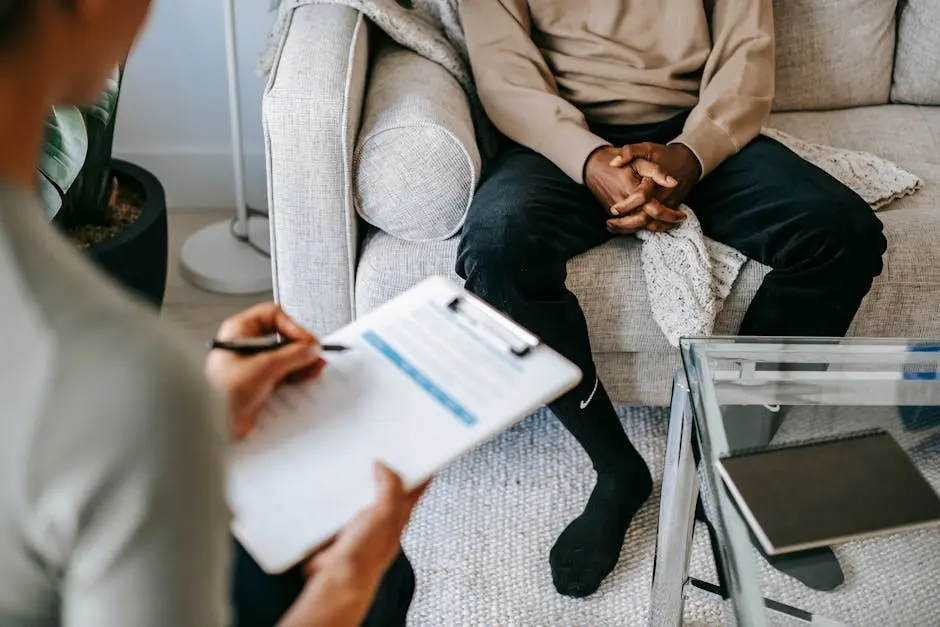
Online therapy, also known as e-therapy or teletherapy, is a form of counseling that takes place over the internet. Utilizing platforms such as video calls, chats, or emails, it provides mental health support and guidance remotely.
With the widespread availability of high-speed internet, online therapy has become a convenient option for many. It breaks down geographical barriers and offers a broader choice of therapists, catering to diverse preferences and needs.
One of the advantages of online therapy is its accessibility, offering mental health support to individuals in rural or underserved areas who might otherwise struggle to access in-person services.
How Does Online Therapy Enhance Communication Skills?
Online therapy helps individuals learn and practice effective communication techniques such as active listening, expressing needs clearly, and managing conflicts in a healthy manner. Therapists guide clients in resolving misunderstandings and fostering open dialogue.
Through carefully structured sessions, therapists support clients in developing emotional intelligence and empathetic listening, which are critical components of successful communication.
Utilizing strategies like role-playing and scenario exercises, therapists provide tangible tools for clients to implement in real-life interactions, enhancing their ability to express thoughts and emotions constructively.
In digitally-mediated therapy, visual aids and screen-sharing capabilities enhance learning, allowing therapists to demonstrate communication techniques effectively. This interactive approach helps reinforce new skills.
Can Online Therapy Address Communication Barriers?
With the aid of a therapist, clients can identify and overcome barriers to communication like anxiety, past trauma, or cultural differences. Therapists tailor strategies to address each individual’s unique challenges, promoting better interpersonal interactions.
By providing a safe and judgment-free environment, online therapy enables individuals to explore and address deep-seated issues contributing to communication obstacles. This process helps build a foundation for effective expression and understanding.
Therapists often incorporate cognitive-behavioral techniques to help clients reframe negative thought patterns that hinder open communication, equipping them with tools for healthier exchanges.
What Role Does Online Therapy Play in Relationship Communication?
For couples and families, online therapy can be instrumental in improving communication. It provides a safe space to explore relationship dynamics, mend communication breakdowns, and develop effective ways to express emotions and needs.
Through guided discussions and collaborative exercises, therapists help partners recognize and appreciate each other’s communication styles, fostering empathy and mutual respect in their interactions.
Many couples find that online therapy can sidestep the intimidation factor present in traditional settings, enabling them to be more open and honest in their discussions. This transparency can be transformative in repairing and strengthening relationships.
Are There Benefits to the Flexibility of Online Therapy for Communication?
The flexibility of online therapy allows individuals to attend sessions from the comfort of their homes, making it easier to integrate therapy into daily life. This convenience encourages ongoing communication practice and commitment to self-improvement.
Scheduling sessions at convenient times accommodates different lifestyles, whether it’s during a lunch break or later in the evening, ensuring that therapy can fit seamlessly into clients’ lives.
This flexible approach reduces stress associated with arranging appointments and traveling, allowing clients to focus their energy on developing and refining their communication skills.
Moreover, the option to choose between video, audio, or messaging sessions enables clients to select the communication mode they find most effective, further enhancing their comfort and engagement.
Final Thoughts on Online Therapy and Communication
Online therapy offers a versatile and accessible approach to enhancing communication skills. By addressing underlying issues, providing personalized strategies, and fostering emotional connections, it plays a pivotal role in strengthening relationships and promoting understanding. Whether it’s through individual sessions or collaborative efforts with partners or family, online therapy paves the way for healthier communication.